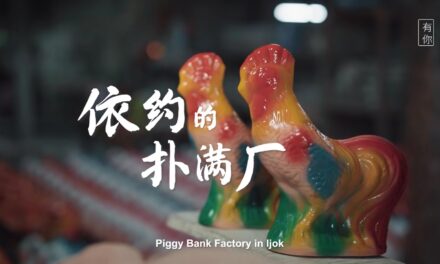
雪兰莪北部的依约(Ijok),有着一家全马少数仍采用柴烧龙窑烧制瓦煲和药煲的工厂——黄兄弟缸窑。源自潮汕的龙头煲工艺,随着黄氏家族祖辈南来,在本地已传承至第三代。从一开始的全程手工搅拌陶土、拉坯,发展到如今机械化和注浆成型,惟诸多细节依需手工完成。
耸立厂房一端的龙窑长约20米、宽约2.5米,有两个窑门,窑身分布着数个窑目(投柴孔)。每次装窑可容纳逾两千只瓦煲和药煲,装满后便进行持续三天的柴火烧制。烧制期间需昼夜轮守,持续添柴并密切观察火候,将温度维持在1200℃至1300℃,确保燃烧不中断。直到第三天停火,待温度降低后才出窑。
黄兄弟缸窑现由第三代掌舵,哥哥黄利光和弟弟黄亚明自小玩泥巴长大,家学渊源接手家族生意。他们的爷爷以制作瓦煲、药煲和橡胶杯起家,而他们的父辈三兄弟子承父业后树大分枝,分别投入不同的产品线。小叔制作与供应高端酒店和酒楼的用具;二叔制日常用品,如扑满、甘文烟炉、印度陶灯等等;而父亲则制作家庭用具,如瓦煲和药煲。
三十年前,兄弟俩从父亲手中接过这座颇具规模的瓦煲厂,适逢90年代,几乎家家户户都用瓦煲烹饪,生意正值高峰期。当时全马各地瓦煲厂遍布,后来随着电锅及电磁炉兴起,瓦煲面临淘汰,许多瓦煲厂停止运营。毕竟涉及粗重劳力,手工颇具难度,生产速度不快,利润也不高。兄弟俩分工合作,一起度过风风雨雨,始终没有放弃这门家族生意。哥哥负责厂内生产事宜,弟弟负责外销及送货,承接来自怡保、吉隆坡、马六甲、柔佛,甚至一些出口的批发订单。
瓦煲厂成立至今数十年间,历经多次搬迁,从原址甲洞到甘榜梳邦,直到约30年前落脚现址,每到一处就得重新砌一座龙窑。随着掌握砌窑技艺的老一辈过世,位于依约的龙窑或将成为绝响。经年累月,龙窑内壁因草木灰烧出釉一般的光泽,美丽中暗藏锋利。热胀冷缩也会导致局部砖块脱落、窑体塌陷,兄弟俩得自行摸索如何修复。由于原本使用的日本生砖已停产,如今只能以建筑用的红砖代替。
黄兄弟不愿见祖辈的工艺失传,即使前路困难重重,仍坚持延续瓦煲厂的运营,直到无法维持下去为止。一口口瓦煲,不仅是承载了千百年饮食文化的炊具,也交融了黄兄弟辛劳延续家族传承的滋味。
※
【地方小知识】
依约(Ijok)位于雪兰莪州瓜拉雪兰莪县,是一个市镇,同时也是一个充满华人文化特色的新村。其地理位置优越,坐落在马来西亚联邦54号公路(Federal Route 54)的交汇处,联通吉隆坡和八丁燕带(Batang Berjuntai)。
20世纪初,爪哇移民迁入依约开垦,因此镇内马来人大多具有爪哇血统。镇名由来据考证源自爪哇语的绿色“Ijo”或“Hijau”,象征昔日的绿油油稻田。民间也相传,该地早期生长着许多名为“Ijok”的棕榈科植物(砂糖椰子树),因而得名。
1948年紧急状态时期,为应对马来亚共产党的活动,英殖民政府实施新村计划,设立了依约新村(Kampung Baru Ijok),将分散在依约8哩、28哩及武吉巴东等地的华裔集中安置于此。早期村民以种植蔬菜、芋头维生,随后因英殖民政府在1951年大规模开发橡胶园而改种橡胶。由于橡胶业收益不佳,大部分村民在20多年前将胶园转为油棕种植。近年来,在雪州政府的推动下,依约设立了许多中小型工厂,逐渐朝向工业区发展。
※
【瓦煲小知识】
采用纯天然材料烧制的瓦煲,内壁分布着微小的气孔,能微量吸收食材的油脂与汤汁,并在加热时释放出积淀的馥郁香气。瓦煲导热均匀且保温性极佳,搁炭火或煤气炉上慢火焖煮,还能锁住食物的原汁原味。因此,瓦煲广受马来西亚三大民族欢迎,是印裔煮咖喱、巫裔煮东炎、华裔煮肉骨茶的首选炊具。
※
【药煲小知识】
虽然现代人鲜少采用药煲煎药,但它仍有市场需求——熔金。打金匠需把黄金煮熔,打造成各式饰品。药煲能够承受金属熔炼的高温,性质稳定不易发生化学反应,侧边带把手的设计能安全、精准地将金浆倒出。即便一口药煲只能使用一次,成本也不算高昂。
—
☕ 支持 有你 UNI 继续记录马来西亚的故事
喜欢这则故事,欢迎请我们喝杯咖啡:
https://uni.gallery/coffee/1150
※※※
Ijok in northern Selangor is home to one of the few pottery factories in Malaysia that still uses a wood-fired dragon kiln to produce clay pots and medicine pots – Ng Pottery Enterprise. The TeoChew style of clay pot-making passed down three generations of the Ng family since their ancestors migrated south. From fully manual labour in the early days, to employing machinery and moulds nowadays, human hands remain essential for final touch-ups.
A dragon kiln stands towering at one end of the factory, about 20 metres long and 2.5 metres wide, with two kiln doors and several fire holes (for feeding firewood). Fully loaded, it can hold about 2000 pieces of clay pots and medicine pots. The kiln firing process takes three consecutive days, and requires round-the-clock monitoring, constantly adding firewood and closely observing the fire to maintain the temperature between 1200℃ and 1300℃ to ensure uninterrupted combustion. On day three, the fire is extinguished, and the kiln is left to cool down to room temperature before unloading.
Ng Pottery Enterprise is now run by the third generation, the elder brother Ng Lee Kwong and the younger brother Ng Ah Ming, who grew up playing with clay and inherited the family business. Their grandfather started out manufacturing clay pots, medicine pots, and rubber cups. Their father’s three siblings then branched out into different production lines. Their youngest uncle manufactures and supplies utensils to high-end hotels and restaurants; their second uncle produces everyday items such as piggy banks, kemenyan incense burners, and Indian diya lamps; whereas their father produces household cookware such as clay pots and medicine pots.
Thirty years ago, the Ng brothers took over this substantial clay pot factory from their father. It was the 1990s, and almost every household uses clay pots for cooking; business was booming. At that time, there were numerous clay pot factories throughout Malaysia. Later, with the rising popularity of electric cookers and induction cooktops, clay pots faced obsolescence, and many factories ceased operations. After all, clay pot manufacturing involves hard labour, intricate handiwork, time-consuming production process, and low profits. The two brothers are a good example of teamwork, weathering storms together, never giving up on the family business. Ng Lee Kwong is in charge of production, while Ng Ah Ming is in charge of sales and delivery, handling wholesale orders from Ipoh, Kuala Lumpur, Melaka, Johor, and even exports.
Over the decades since its establishment, the clay pot factory has relocated several times, from its original site in Kepong to Kampung Subang, until finally settled at the current location about 30 years ago. Each move meant a new dragon kiln had to be built. With the passing of the older generation who mastered the craft of kiln-building, the dragon kiln in Ijok may be the last.
(Full article : https://uniness.gallery/clay-pot-factory-in-ijok/)
※※※
☕ Support UNINESS to continue documenting Malaysian local cultures
Enjoyed this story? Buy UNINESS a coffee:
https://uniness.gallery/coffee/1311
※※※
#有你UNI #UNIGallery #马来西亚有你 #uniness #uninessmalaysia #有你 #UNI
https://uni.gallery
https://uniness.gallery
© 2026 ECHINOIDEA SDN BHD